Where the Red Fern Grows Reading Level & Age Range: Parent Guide
17 Sep 2026
19
First published in 1961, Wilson Rawls’s semi-autobiographical masterpiece Where the Red Fern Grows has touched the hearts of generations of readers. In this comprehensive educator guide, I break down the where the red fern grows reading level, analyzing standardized reading frameworks, vocabulary demands, and emotional readiness for parents and classroom teachers.
Set in the rugged Ozark Mountains of northeastern Oklahoma during the Great Depression, the story recounts ten-year-old Billy Colman’s unwavering quest to own a pair of coonhounds. Through two years of grueling physical labor, Billy saves fifty dollars penny-by-penny to purchase Old Dan and Little Ann. Together, Billy and his hounds develop an extraordinary bond of mutual devotion, becoming legendary hunting champions across the hills before facing profound tragedy and discovery.
While the novel is a beloved staple of upper-elementary and middle school curricula, parents frequently ask when their child is ready for its challenging emotional climax. In my experience evaluating classic children’s literature, I noticed that while the decoding difficulty is modest, the book’s intense depictions of grief, animal death, and frontier violence require thoughtful parental guidance.
In my view, understanding both the quantitative readability scores and emotional milestones ensures young readers have a deeply enriching reading experience.
💡 Quick Answer
- Where the Red Fern Grows Reading Level & Literacy Metrics
- Plot Overview & Key Story Milestones
- Thematic Depth & Emotional Impact for Young Readers
- Content Considerations & Maturity Analysis for Parents
- Comparison: Where the Red Fern Grows vs. Other Animal Classics
- Frequently Asked Questions
- Summary & Recommendation for Parents and Educators
Where the Red Fern Grows Reading Level & Literacy Metrics

Standardized readability scores measure sentence length, syllable counts, and vocabulary frequency. Wilson Rawls writes with clear, direct, and conversational Southern frontier prose that makes the mechanics of reading relatively straightforward.
Here is the essential breakdown of the novel’s core literacy benchmarks:
- Target Grade Level: Grades 4 – 7 (Upper Elementary to Middle School)
- Recommended Reader Age: 10 – 13 years old
- Lexile Measure: 700L (Upper Elementary benchmark band)
- Accelerated Reader (AR) Level: 4.9 (4th Grade, Month 9 readability)
- Accelerated Reader Points: 11.0 points
- Guided Reading (F&P) Level: Level X (Upper Middle Grade benchmark)
- Developmental Reading Assessment (DRA): Level 60
- Total Word Count: Approx. 76,000 words
- Genre: Classic Historical Fiction / Coming-of-Age / Animal Adventure
| Literacy Framework | Benchmark Score | Grade Level Equivalent | Notes on Complexity |
|---|---|---|---|
| Lexile Measure | 700L | Grades 4 – 6 Reading Band | Straightforward sentence structure with regional dialect terms |
| Accelerated Reader (AR) | 4.9 | Grade 4, Month 9 | Accessible narrative flow; high engagement for reluctant readers |
| Guided Reading (F&P) | Level X | Grades 6 – 7 (Middle School) | Advanced thematic depth, symbolism, and emotional processing |
| DRA Level | Level 60 | Grade 6 Transition | Requires deep inferencing regarding character motivation and grief |
When I read through the novel during curriculum planning, I checked the balance between accessible narrative pacing and archaic regional terminology. Rawls frequently incorporates Ozark dialect and 1930s rural expressions—such as “coonskin,” “sycamore,” “hackberry,” “blizzard,” “riffle,” and “bawling.” While these terms enrich the historical atmosphere, young readers may occasionally require context clues.
To see how these scores compare with other classic school novels, explore our reading level comparison chart and our guide on Lexile level by grade.
Plot Overview & Key Story Milestones
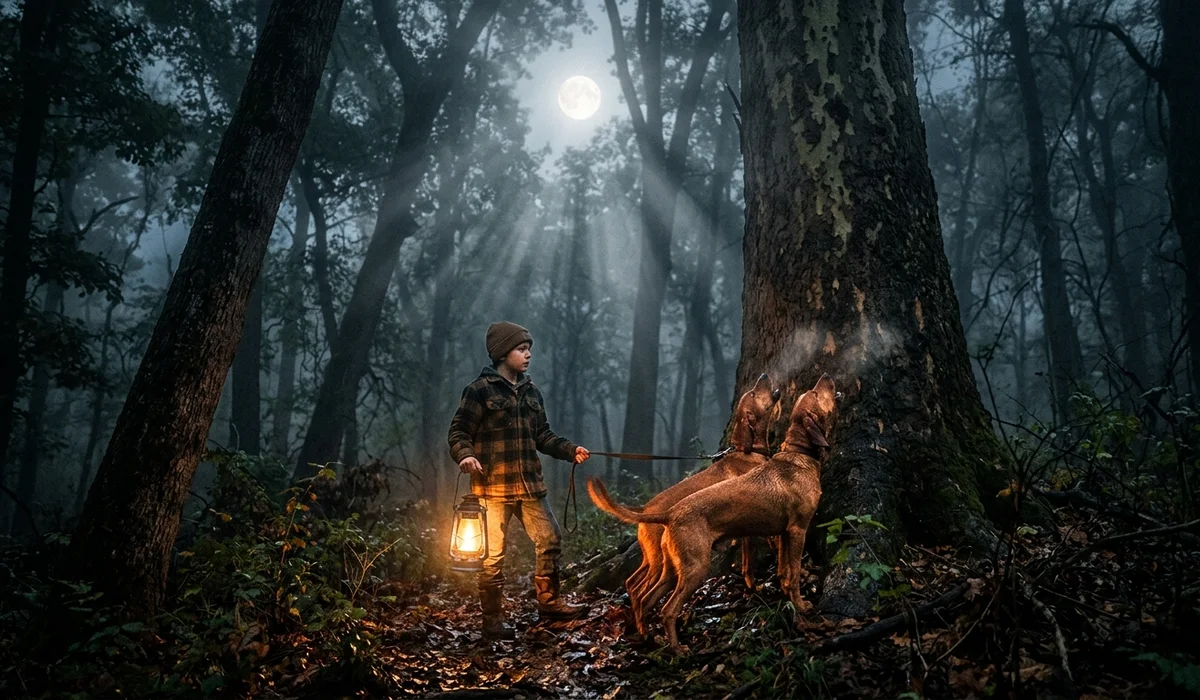
Wilson Rawls structures the story into clear developmental milestones that mirror Billy Colman’s growth into manhood:
1. The Two-Year Sacrifice
Living in the Cherokee country of the Ozarks, Billy’s longing for hunting hounds is so overwhelming that he refuses to accept cheap substitutes. Over two years, Billy picks wild berries, sells vegetables to fishermen, and traps small animals, saving every nickel in an old baking powder can until he accumulates the $50 needed to order two redbone coonhounds from Kentucky.
2. The Journey to Tahlequah
Billy walks thirty miles barefoot to Tahlequah to pick up his puppies. His journey exposes him to town society, bullying schoolboys, and his first encounters with the wider world. On the return trip, a mountain lion roars near their camp, and Billy names the male pup Old Dan (bold and muscular) and the female pup Little Ann (smart, small, and intuitive).
3. The Championship Coon Hunt
As Billy trains his dogs, they develop unmatched synergy. Billy enters the prestigious regional coon hunting championship, competing against seasoned adult hunters with expensive hounds. During a terrifying blizzard, Old Dan and Little Ann refuse to abandon a treed coon, ultimately winning the gold cup and a massive cash prize that allows Billy’s family to move out of the hills.
4. The Mountain Lion Encounter & Climax
While hunting in the mountains, Billy and his hounds are ambushed by a vicious mountain lion. Old Dan and Little Ann fight furiously to protect Billy, who attacks the beast with a double-bitted axe. Although they defeat the mountain lion, Old Dan suffers fatal injuries and dies in Billy’s arms. Heartbroken, Little Ann loses the will to live and passes away on Old Dan’s grave days later.
If you are exploring other classic middle-grade novels that address poignant emotional transitions, I recommend reading our analysis of Bridge to Terabithia reading level and Tuck Everlasting reading level.
Thematic Depth & Emotional Impact for Young Readers
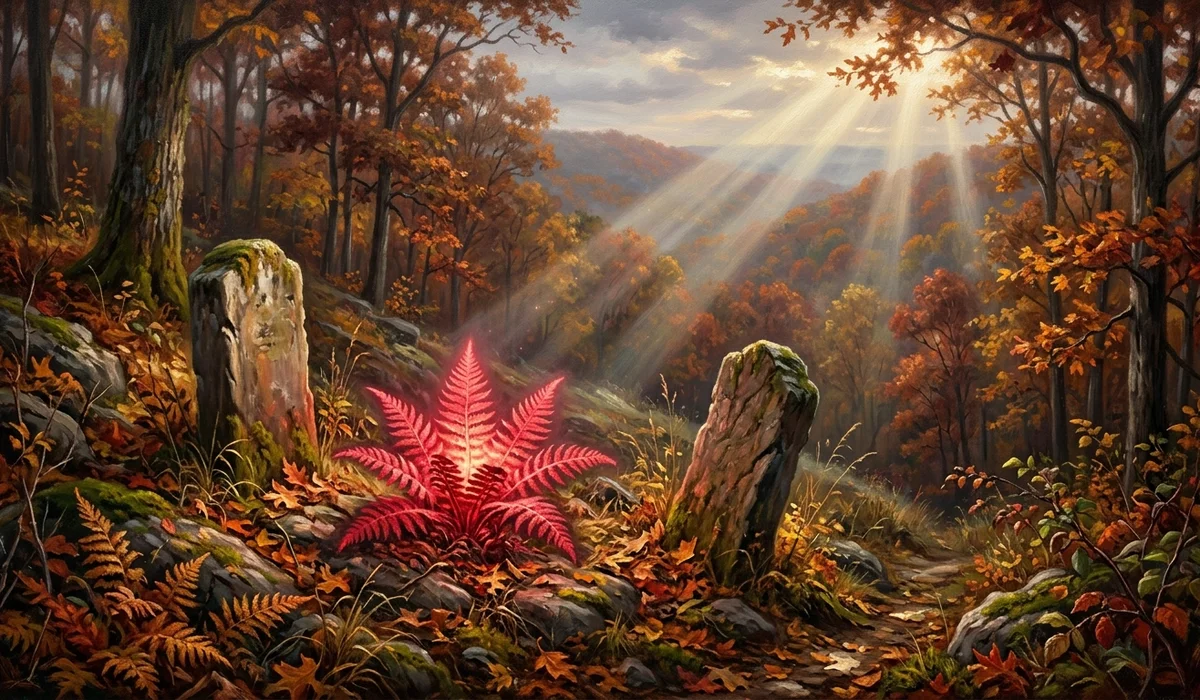
What makes Where the Red Fern Grows an enduring classic is its exploration of timeless universal virtues:
1. The Power of Work Ethic and Grit
Billy’s relentless two-year savings plan teaches children the value of delayed gratification, self-reliance, and hard work. In my classroom discussions, I found that students are deeply inspired by Billy’s determination to cut down the giant sycamore tree (“the big tree”) over several exhausting days because he made a promise to his dogs.
2. Unconditional Loyalty and Devotion
The bond between Old Dan and Little Ann transcends simple animal companionship. Little Ann will not eat unless Old Dan is present, and Old Dan will not hunt without Little Ann. Their ultimate sacrifice to protect Billy from the mountain lion exemplifies unconditional love.
3. Coping with Grief and Acceptance
The novel does not sugarcoat death. Billy experiences profound sorrow, questioning why such noble creatures had to die. His father helps him understand that their passing was part of a higher plan to enable the family’s relocation to town for education.
4. The Sacred Legend of the Red Fern
According to Native American legend, only an angel can plant the seeds of a sacred red fern, and wherever one grows, that spot is blessed forever. When Billy visits the hounds’ graves before moving, he discovers a beautiful red fern growing between them, bringing him spiritual closure and peace.
For historical narratives set during turbulent eras, also check our guide on Number the Stars reading level and our list of the best books for 5th graders.
Content Considerations & Maturity Analysis for Parents
Parents evaluating Where the Red Fern Grows should consider the following content elements:
1. Violence, Hunting & Blood (Rating: 3.5 / 5 – Moderate Frontier Realism)
- Hunting Depictions: The novel depicts raccoon hunting, skinning, and tanning hides as a normal part of rural 1930s livelihood.
- Graphic Animal Battles: Encounters with raccoons, dogs tearing into quarry, and the bloody battle with the mountain lion feature realistic descriptions of entrails, severed muscles, and heavy bleeding.
- Human Fatality: During a hunting bet with the antagonistic Pritchard brothers, Rubin Pritchard accidentally falls onto Billy’s axe while attacking Billy’s dogs, dying a graphic and agonizing death in front of Billy.
2. Emotional Intensity & Grief (Rating: 4.5 / 5 – High)
- The death of Old Dan and Little Ann is universally recognized as one of the most tear-jerking climaxes in children’s literature.
- Sensitive readers may experience intense emotional distress and weeping. It is frequently cited as the first book that ever made readers cry.
3. Alcohol & Rural Culture (Rating: 1.5 / 5 – Minor Historical Context)
- Billy’s grandfather operates a country store where men drink moonshine and tobacco is chewed.
- Rural fighting and betting are depicted realistically without glorification.
4. Faith and Spirituality (Rating: 2 / 5 – Wholesome Christian / Folklore Themes)
- Billy’s mother prays for a way to send her children to school.
- The red fern legend blends Christian prayer with Native American folklore in a gentle, comforting manner.
For independent content advisories, parents can consult Common Sense Media and library curriculum archives at the American Library Association.
Comparison: Where the Red Fern Grows vs. Other Animal Classics
| Book Title | Lexile Score | AR Level | Target Grade | Core Themes | Emotional Intensity |
|---|---|---|---|---|---|
| Where the Red Fern Grows | 700L | 4.9 | Grades 5 – 7 | Loyalty, Perseverance, Grief | Very High (Devastating climax) |
| Old Yeller | 910L | 5.0 | Grades 5 – 8 | Frontier Life, Sacrifice, Responsibility | Very High (Rabies execution) |
| Shiloh | 890L | 4.4 | Grades 4 – 7 | Animal Welfare, Honesty, Courage | Moderate (Abuse recovery) |
| Sounder | 900L | 5.3 | Grades 5 – 8 | Racial Injustice, Family, Hardship | High (Poverty & loss) |
| Because of Winn-Dixie | 610L | 3.9 | Grades 3 – 5 | Friendship, Healing, Community | Mild / Comforting |
Frequently Asked Questions
What reading level is Where the Red Fern Grows?
Where the Red Fern Grows has a Lexile Level of 700L and an Accelerated Reader (AR) level of 4.9 (Guided Reading Level X, DRA Level 60). Mechanically, it is suitable for 4th to 6th graders, but its emotional weight makes it ideal for 5th grade and up.
Why is Where the Red Fern Grows considered sad?
The novel deals directly with the heartbreak of losing beloved pets. Both Old Dan and Little Ann die near the end of the book after heroically saving Billy’s life from a mountain lion.
Is Where the Red Fern Grows appropriate for a 9-year-old?
An advanced 9-year-old in 4th grade can decode the text easily. However, due to Rubin Pritchard’s accidental death on an axe and the heartbreaking demise of both dogs, parents should evaluate their child’s emotional sensitivity first.
Is Where the Red Fern Grows a true story?
Wilson Rawls based the novel heavily on his own childhood growing up in the Oklahoma Ozarks with coonhounds. While the specific plot is historical fiction, the emotions, setting, and hunting lore reflect Rawls’s authentic life experiences.
Summary & Recommendation for Parents and Educators
Where the Red Fern Grows is a timeless literary masterpiece that instills profound values of grit, devotion, and compassion. While the final chapters demand emotional resilience, the book provides young readers with a safe, powerful framework to process loss and celebrate the enduring power of love.
In my professional assessment at Advance Book Readers, Where the Red Fern Grows is an essential classic that belongs on every middle-grade reading list. Discover more book reading levels, classic guides, and grade-by-grade recommendations across Advance Book Readers.
Please Write Your Comments