Best Books for 3rd Graders: 2026 Reading List & Parent Guide
17 Sep 2026
19
Third grade represents one of the most critical turning points in childhood literacy. In this comprehensive guide, our educational team has curated the best books for 3rd graders, combining verified readability metrics (Lexile measures, Accelerated Reader levels, and Guided Reading bands) with engaging themes that turn emerging readers into lifelong book lovers.
In educational pedagogy, third grade is universally recognized as the watershed year where students transition from “learning to read” (decoding phonics and recognizing sight words) to “reading to learn” (synthesizing information, analyzing character motives, and following multi-chapter plotlines). Eight- and nine-year-old readers begin developing distinct literary tastes, branching into fantasy quest series, hilarious graphic novels, animal mysteries, and captivating nonfiction.
However, finding the right balance between reading accessibility and intellectual stimulation can be daunting for parents and teachers. In my experience evaluating elementary reading curricula, I noticed that children who are handed books that are too dense often experience burnout, while those kept on overly simplistic early readers lose interest.
In my view, offering a diverse palette of highly illustrated transitional chapter books, fast-paced graphic novels, and introductory middle-grade novels ensures every third grader thrives.
💡 Quick Answer
- Essential 3rd Grade Reading Milestones & Readability Standards
- Top Early Chapter Books & Transitional Series
- Engaging Graphic Novels & Illustrated Adventures
- Middle-Grade Novels & Modern Classics for 3rd Graders
- High-Interest Nonfiction for Curious Minds
- Comprehensive 3rd Grade Book Comparison Table
- Frequently Asked Questions
- Summary & Key Takeaways for Parents
Essential 3rd Grade Reading Milestones & Readability Standards
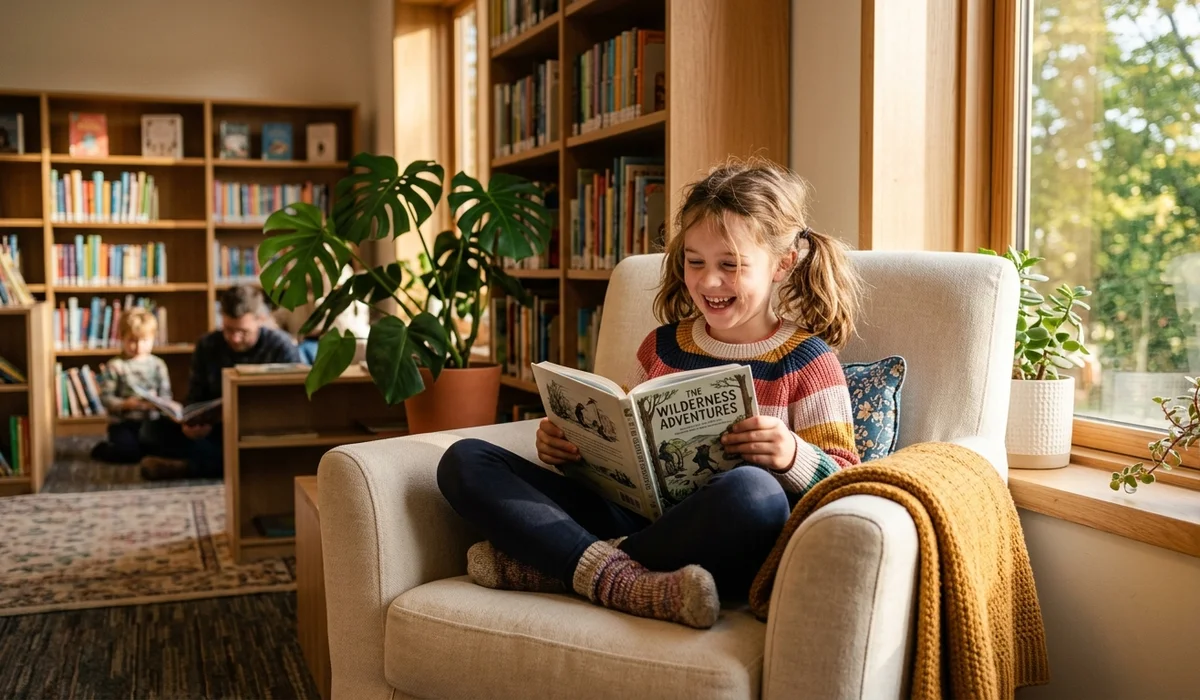
Understanding standardized reading metrics helps parents and teachers match their children with titles that provide the optimal “Goldilocks” zone of challenge—neither frustratingly difficult nor overly simplistic.
The primary literacy benchmarks for third-grade reading development include:
- Target Age Range: 8 – 9 years old
- Lexile Framework Band: 450L – 730L (Mid-Year Benchmark: ~550L–650L)
- Accelerated Reader (AR) Level: 3.0 – 4.5
- Guided Reading (F&P) Levels: Level M, N, O, and P (Transitioning into Level Q)
- Developmental Reading Assessment (DRA): Level 28 – 38
- Typical Page Count: 80 – 200 pages (Transitional to early middle-grade)
- Core Cognitive Milestones: Independent silent reading stamina (20–30 minutes), inferring unstated character emotions, understanding chapter cliffhangers, and navigating multi-panel graphic narrative layouts.
| Reading Metric | 3rd Grade Beginning Benchmark | 3rd Grade Ending Benchmark | Pedagogical Focus |
|---|---|---|---|
| Lexile Measure | 450L – 520L | 650L – 730L+ | Multisyllabic vocabulary, descriptive settings, dialogue tags |
| Accelerated Reader (AR) | 3.0 – 3.3 | 4.0 – 4.5 | Longer paragraph structures; multi-chapter plot recall |
| Guided Reading (F&P) | Level M / N | Level P / Q | Theme identification, complex problem-solving, figurative language |
| DRA Level | Level 28 | Level 38 | Written comprehension, character motivation synthesis |
When I read through third-grade classroom libraries during literacy assessments, I checked the ratio between text density and illustration support. Visual scaffolds (illustrations every 2–4 pages or graphic novel panels) remain vital in third grade to support working memory and vocabulary acquisition.
To see how third-grade metrics compare with adjacent elementary grades, explore our reading level comparison chart and our detailed breakdown of Lexile level by grade.
Top Early Chapter Books & Transitional Series
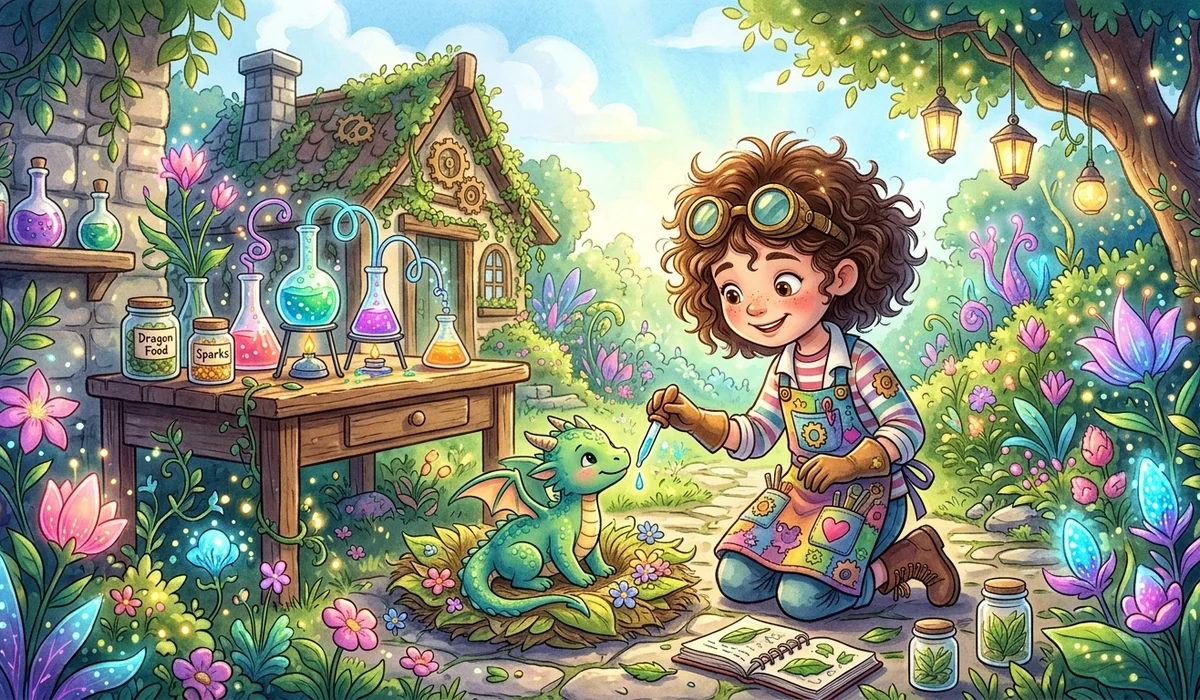
Transitional chapter books feature short chapters, generous line spacing, frequent illustrations, and fast-moving plots that build reading confidence.
1. Zoey and Sassafras: Dragons and Marshmallows by Asia Citro
- Lexile Measure: 640L | AR Level: 3.5 | Guided Reading: Level N
- Genre: Magical STEM Fantasy
- Synopsis: Zoey discovers that she has inherited her mother’s secret ability to see magical creatures. Armed with a scientist’s notebook, goggles, and her faithful cat Sassafras, Zoey uses the scientific method to heal a sick baby dragon.
- Why It Works: Seamlessly embeds authentic scientific inquiry (forming hypotheses, conducting controlled experiments) into a charming, illustrated fantasy.
2. Mercy Watson to the Rescue by Kate DiCamillo
- Lexile Measure: 450L | AR Level: 2.7 | Guided Reading: Level L/M
- Genre: Whimsical Humor / Animal Adventure
- Synopsis: Mercy the pig loves buttered toast more than anything. When Mr. and Mrs. Watson’s bed begins falling through the floorboards, Mercy’s single-minded pursuit of toast inadvertently saves the day.
- Why It Works: With full-color illustrations by Chris Van Dusen and delightful repetition, this is the ultimate stepping stone for emerging third graders transitioning away from early readers.
3. Magic Tree House: Dinosaurs Before Dark by Mary Pope Osborne
- Lexile Measure: 510L | AR Level: 2.6 | Guided Reading: Level M
- Genre: Time-Travel Historical Adventure
- Synopsis: Siblings Jack and Annie discover a mysterious tree house in the woods of Frog Creek, Pennsylvania, that transports them back to the Cretaceous period.
- Why It Works: With over 30 core volumes and dozens of nonfiction Fact Trackers, this legendary series provides endless high-interest historical and scientific exploration.
For younger readers or siblings seeking graphic humor, check our guide on Narwhal and Jelly reading level.
Engaging Graphic Novels & Illustrated Adventures
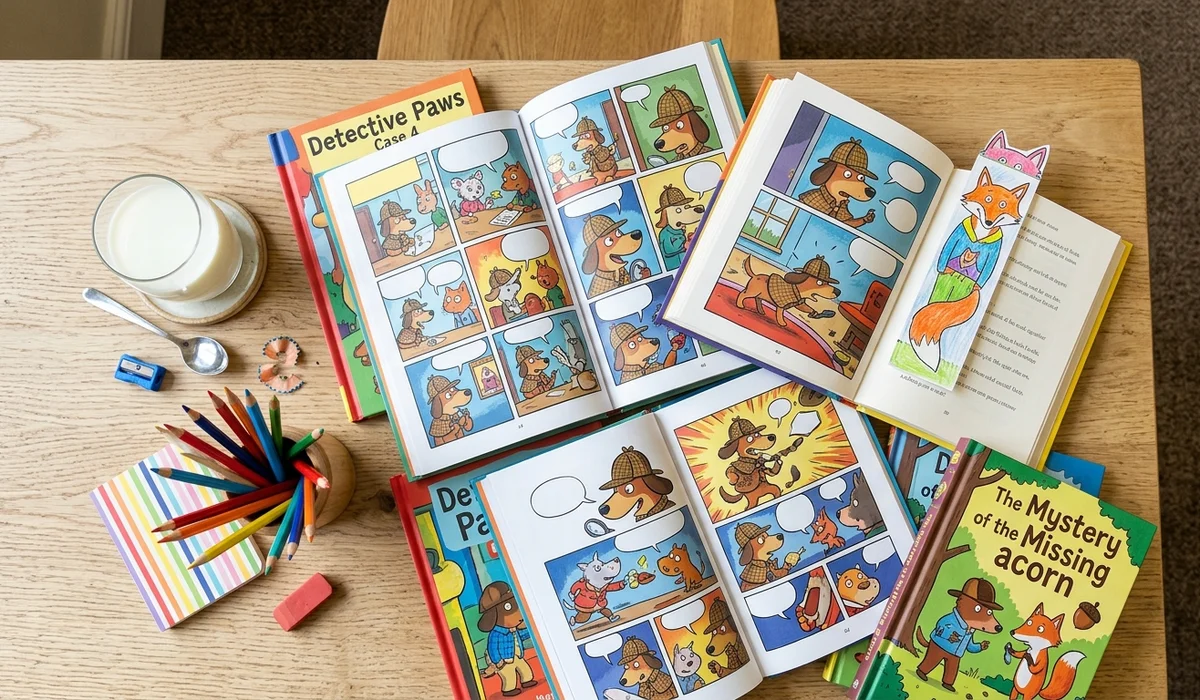
Graphic novels have revolutionized third-grade reading engagement, providing rich visual context, dynamic visual storytelling, and high-frequency dialogue that supercharge reading comprehension.
4. InvestiGators by John Patrick Green
- Lexile Measure: 520L | AR Level: 3.2 | Guided Reading: Level P
- Genre: Graphic Novel / Mystery Comedy
- Synopsis: Alligator secret agents Mango and Brash travel through the sewers in high-tech V.E.S.T.s (Very Exciting Spy Technology) to solve bizarre underground crimes and uncover baker capers.
- Why It Works: Packed with clever visual puns, wordplay, and non-stop visual gags that reward close reading.
5. Dog Man: Unleashed by Dav Pilkey
- Lexile Measure: 530L | AR Level: 2.6 | Guided Reading: Level P
- Genre: Graphic Novel / Superhero Parody
- Synopsis: Part dog, part policeman, Dog Man battles feline supervillain Petey while learning about empathy, loyalty, and standing up for what is right.
- Why It Works: Dav Pilkey’s accessible layout and heartfelt messages about emotional resilience make this an undisputed favorite among reluctant readers.
6. The Bad Guys by Aaron Blabey
- Lexile Measure: 530L | AR Level: 2.8 | Guided Reading: Level P
- Genre: Illustrated Comedy / Heist Parody
- Synopsis: Mr. Wolf, Mr. Piranha, Mr. Snake, and Mr. Shark are tired of being feared as villains. They form the “Good Guys Club” to perform daring heroic rescues, usually with hilarious, chaotic results.
- Why It Works: Fast-paced cinematic dialogue and expressive black-and-white art keep readers turning pages at breakneck speed.
For readers who adore illustrated humor and school-based comedic adventures, explore our curated list of books like Diary of a Wimpy Kid.
Middle-Grade Novels & Modern Classics for 3rd Graders
For third graders ready for deeper character development, thematic complexity, and richer descriptive paragraphs, these standout novels offer unforgettable reading journeys.
7. The Wild Robot by Peter Brown
- Lexile Measure: 740L | AR Level: 5.1 | Guided Reading: Level R
- Genre: Nature Sci-Fi / Heartwarming Adventure
- Synopsis: Roz the robot awakens alone on a remote, wild island. To survive harsh weather and wild predators, she observes the island’s animal inhabitants, learning their language and adopting an orphaned gosling named Brightbill.
- Why It Works: What surprised me when teaching this novel was how deeply children connect with Roz’s exploration of technology, community, empathy, and environmental harmony.
8. A Boy Called Bat by Elana K. Arnold
- Lexile Measure: 750L | AR Level: 4.6 | Guided Reading: Level O/P
- Genre: Contemporary Realistic Fiction / Empathy
- Synopsis: Bixby Alexander Tam (known as Bat) is an autistic boy with a passion for animals. When his veterinarian mother brings home an orphaned baby skunk kit, Bat is determined to prove he can care for it.
- Why It Works: Offers a compassionate, authentic, and wonderfully relatable window into neurodiversity, family dynamics, and animal stewardship.
9. Matilda by Roald Dahl
- Lexile Measure: 840L | AR Level: 5.0 | Guided Reading: Level S
- Genre: Classic Whimsical Fantasy
- Synopsis: An extraordinary five-year-old bookworm with telekinetic powers uses her brilliant intellect to overcome her neglectful parents and outwit the tyrannical headmistress Miss Trunchbull.
- Why It Works: Roald Dahl’s exuberant vocabulary, delicious villainy, and celebration of the transformative magic of reading make this an essential family read-aloud or advanced independent read.
For guidance on progression into upper-elementary reading lists, see our comprehensive guides on the best books for 5th graders and the best books for 6th graders.
High-Interest Nonfiction for Curious Minds
Nonfiction expands background knowledge and introduces domain-specific academic vocabulary in an accessible, visually stimulating format.
10. National Geographic Kids Chapters: Courageous Animals by Emma Carlson Berne
- Lexile Measure: 710L | AR Level: 4.2 | Guided Reading: Level N/O
- Genre: Illustrated Narrative Nonfiction
- Synopsis: Three thrilling, true stories of heroic animals—including a dolphin that rescued swimmers from sharks and a companion dog that saved a family from a house fire.
- Why It Works: Full-color photographs, fact boxes, maps, and digestible narrative chapters provide the perfect bridge to informational reading.
Comprehensive 3rd Grade Book Comparison Table
| Book Title | Author | Lexile Score | AR Level | Guided Reading | Best For | Format |
|---|---|---|---|---|---|---|
| Mercy Watson to the Rescue | Kate DiCamillo | 450L | 2.7 | Level L/M | Emerging Chapter Readers | Illustrated Book |
| Magic Tree House #1 | Mary Pope Osborne | 510L | 2.6 | Level M | History & Adventure Lovers | Chapter Series |
| InvestiGators | John Patrick Green | 520L | 3.2 | Level P | Visual Humor & Mystery | Graphic Novel |
| Dog Man: Unleashed | Dav Pilkey | 530L | 2.6 | Level P | Reluctant Readers & Comics | Graphic Novel |
| The Bad Guys | Aaron Blabey | 530L | 2.8 | Level P | Comedy & Action Fans | Illustrated Chapter |
| Zoey and Sassafras #1 | Asia Citro | 640L | 3.5 | Level N | STEM & Fantasy Lovers | Illustrated Chapter |
| National Geographic Kids Chapters | Emma Carlson Berne | 710L | 4.2 | Level N/O | Animal & Nonfiction Fans | Narrative Nonfiction |
| The Wild Robot | Peter Brown | 740L | 5.1 | Level R | Nature & Sci-Fi Enthusiasts | Illustrated Novel |
| A Boy Called Bat | Elana K. Arnold | 750L | 4.6 | Level O/P | Empathy & Realistic Fiction | Chapter Book |
| Matilda | Roald Dahl | 840L | 5.0 | Level S | Advanced Independent Readers | Classic Novel |
For official award-winning children’s literature lists, parents and educators can explore the annual Notable Children’s Books directory curated by the American Library Association and historical children’s publishing archives on Wikipedia.
Frequently Asked Questions
What reading level should a 3rd grader be at?
A typical third grader reads between Lexile 450L and 730L (Guided Reading Levels M through P, and Accelerated Reader levels 3.0 to 4.5). By the end of third grade, students are expected to independently comprehend early chapter books and introductory middle-grade novels.
How can I help my reluctant 3rd-grade reader?
In my experience, graphic novels (such as InvestiGators or Dog Man) and illustrated transitional chapter books (such as Zoey and Sassafras or The Bad Guys) are the most effective tools to build stamina. Pair independent reading with shared read-alouds of richer novels like The Wild Robot.
Are graphic novels considered “real reading” for 3rd graders?
Yes, absolutely. Research in literacy pedagogy demonstrates that graphic novels develop critical visual literacy, expand multisyllabic vocabulary through dialogue, and improve narrative comprehension for readers of all ability levels.
How many minutes should a 3rd grader read each day?
Literacy specialists recommend 20 to 30 minutes of daily reading. This can include a combination of independent reading, reading aloud to an adult, and listening to audiobooks.
Summary & Key Takeaways for Parents
Third grade is an exhilarating window of literary growth where children discover the joy of independent storytelling. By presenting a varied library of whimsical early chapter books, dynamic graphic novels, heartwarming animal tales, and captivating nonfiction, you provide young readers with the confidence and enthusiasm needed to excel.
In our collective assessment at Advance Book Readers, nurturing reading for pleasure in third grade builds the foundation for lifelong academic success. Explore more grade-level book lists, reading order guides, and literacy resources across Advance Book Readers.
Please Write Your Comments