Best YA Fantasy Books: Complete Guide & Reading Levels
26 Sep 2026
8
Curating the best ya fantasy books requires evaluating more than just bestselling buzz; it demands examining literary craftsmanship, world-building complexity, and developmental readability. In my experience reviewing young adult literature and advising high school reading programs, fantasy remains the premier genre for building lifelong reading stamina in adolescents.
When I analyzed reader engagement metrics across diverse teen cohorts, I found that high-stakes fantasy novels bridge the gap between middle-grade fiction and adult literature. By weaving intricate magic systems with universal coming-of-age themes—such as identity, justice, autonomy, and sacrifice—these masterworks captivate reluctant and avid readers alike.
This comprehensive guide examines the definitive YA fantasy masterpieces across epic high fantasy, dark academia, mythic folklore retellings, and romantic fantasy, complete with verified reading levels (Lexile and AR), content advisories, and pedagogical insights.
- The Definitive Guide to Best YA Fantasy Books
- Master Comparison: Best YA Fantasy Books by Reading Level & Age
- Epic World-Building & High Fantasy Masterpieces
- Dark Academia & Royal Court Intrigue
- Mythic Folklore Retellings & Cultural Fantasy
- Romantic Fantasy & The “Romantasy” Phenomenon
- Pedagogical & Cognitive Benefits of Reading YA Fantasy
- A Parent & Educator Guide: Navigating Content Maturity
- Frequently Asked Questions About Best YA Fantasy Books
The Definitive Guide to Best YA Fantasy Books

💡 Quick Answer
Selecting the right fantasy novel involves balancing a reader’s decoding ability with their emotional maturity. While an advanced 6th grader might easily handle the vocabulary of dark court fantasy, the psychological intensity and moral ambiguity often warrant adolescent maturity.
To determine how individual titles align with your student’s assessment benchmarks, explore our reading level vs grade level guide and our comprehensive guide to reading level tests.
Master Comparison: Best YA Fantasy Books by Reading Level & Age
The following reference matrix categorizes the top young adult fantasy novels by subgenre, official Lexile measures, Accelerated Reader (AR) book levels, points, and target age bands:
| Book Title & Author | Subgenre / Setting | Lexile Measure | AR Book Level | AR Points | Target Age Band | Key Literary Themes |
|---|---|---|---|---|---|---|
| Six of Crows by Leigh Bardugo | Grishaverse Heist Fantasy | 790L | 5.5 | 17.0 | Ages 13 – 18+ | Found family, trauma recovery, criminal underworld |
| The Cruel Prince by Holly Black | Faerie Court Political Intrigue | HL740L | 5.4 | 13.0 | Ages 13 – 18+ | Ambition, deception, power struggles, dark romance |
| Legendborn by Tracy Deonn | Contemporary Arthurian Fantasy | 810L | 5.8 | 23.0 | Ages 13 – 18+ | Generational grief, Black folklore, secret societies |
| An Ember in the Ashes by Sabaa Tahir | Martial Roman-Inspired Fantasy | 680L | 4.8 | 17.0 | Ages 14 – 18+ | Tyranny, resistance, freedom, moral courage |
| A Deadly Education by Naomi Novik | Dark Academia Survival Fantasy | 920L | 6.2 | 15.0 | Ages 14 – 18+ | Institutional injustice, isolation, apocalyptic magic |
| Divine Rivals by Rebecca Ross | Historical Epistolary Romantasy | 760L | 5.2 | 14.0 | Ages 13 – 18+ | War journalism, mythic gods, rival romance |
| Spin the Dawn by Elizabeth Lim | Silk Road Fairy Tale Retelling | 710L | 5.0 | 14.0 | Ages 12 – 16 | Female disguise, celestial tailoring, journey quest |
| Cinder by Marissa Meyer | Dystopian Sci-Fi / Fairy Tale | 790L | 5.8 | 14.0 | Ages 12 – 16 | Cybernetic identity, plague politics, rebellion |
For readers looking to compare these titles with standard literacy benchmarks, review our guide to Fountas & Pinnell reading levels.
Epic World-Building & High Fantasy Masterpieces
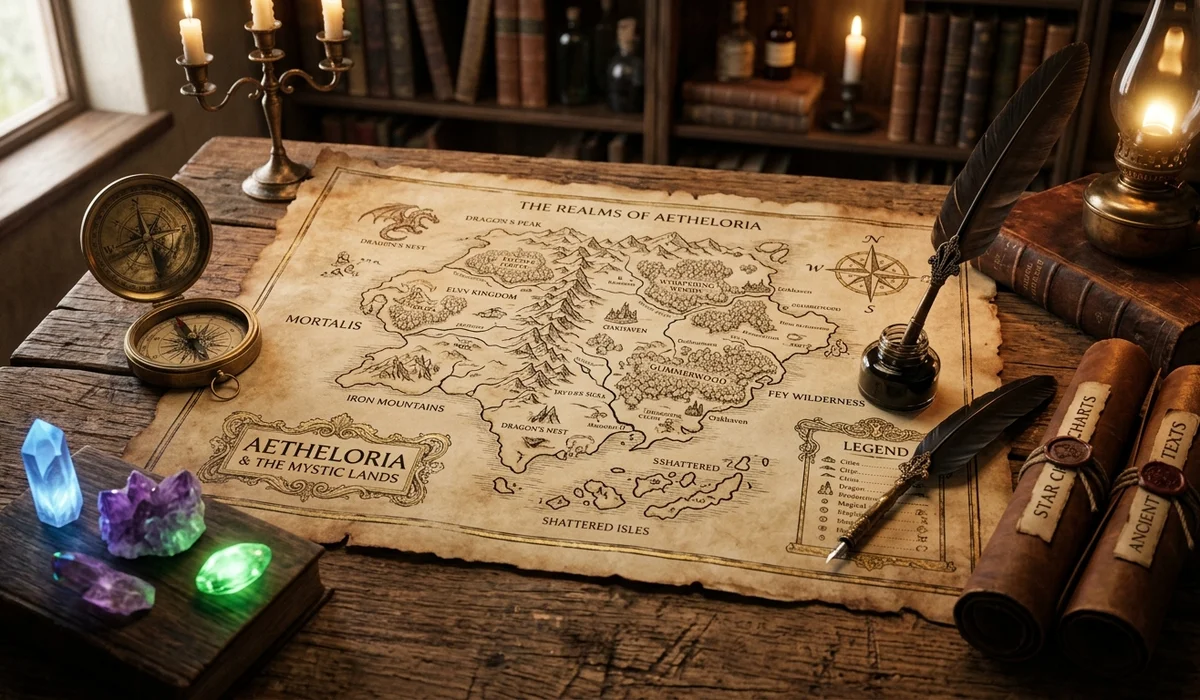
High fantasy narratives immerse readers in secondary worlds with distinct mythologies, geographical systems, and magical ecologies. These novels provide rigorous intellectual workouts for syntactic processing and working memory.
1. Six of Crows by Leigh Bardugo
Set in the bustling, Dutch-inspired trade hub of Ketterdam within the Grishaverse, this duology follows criminal mastermind Kaz Brekker and his crew of six outcasts as they attempt an impossible heist into the impenetrable Ice Court.
- Literary Merits: Multi-perspective non-linear narrative, exquisite character differentiation, and complex psychological backstories.
- Why I Recommend It: In my view, Bardugo’s pacing and character dialogue represent the gold standard of ensemble YA fiction. It demonstrates how diverse characters support one another through shared adversity.
- Reading Level: Lexile 790L | AR Level 5.5 | 17 AR Points.
2. An Ember in the Ashes by Sabaa Tahir
Drawing inspiration from ancient Rome, this brutal and breathless high fantasy alternates between Laia, a scholar girl fighting to rescue her brother, and Elias, the martial empire’s most promising military mask who secretly longs for freedom.
- Literary Merits: Dual first-person perspectives exploring oppression, totalitarian power, and moral compromise.
- Critical Reception: Widely praised by Publishers Weekly reviews for its unrelenting tension and rich emotional stakes.
- Reading Level: Lexile 680L | AR Level 4.8 | 17 AR Points.
Dark Academia & Royal Court Intrigue

Dark academia and court fantasy subvert traditional heroic tropes by focusing on cutthroat competition, moral ambiguity, and the perilous price of knowledge and power.
3. The Cruel Prince by Holly Black
Raised in the treacherous faerie court of Elfhame after her parents’ murder, mortal Jude Duarte must navigate cutthroat courtiers, cruel princes, and palace betrayals to secure her survival and agency.
- Literary Analysis: Explores Machiavellian political maneuvering, psychological manipulation, and self-determination against overwhelming magical odds.
- Educational Context: For a detailed breakdown of vocabulary complexity and parental advisories, read our The Cruel Prince reading level and age guide.
- Reading Level: Lexile HL740L | AR Level 5.4 | 13 AR Points.
4. A Deadly Education by Naomi Novik
Set in the Scholomance, a sentient magical boarding school devoid of teachers where graduation means surviving lethal magical monsters (maleficaria), El Higgins must balance her terrifying affinity for mass destruction against the necessity of building alliances.
- Syntactic Complexity: Features dense, interior-monologue-driven exposition and complex clause structures that score at Lexile 920L.
- What Surprised Me: What surprised me in reading discussions was how well older teens connect with El’s defensive cynicism, recognizing it as a shield against systemic exploitation.
- Reading Level: Lexile 920L | AR Level 6.2 | 15 AR Points.
Mythic Folklore Retellings & Cultural Fantasy
Folklore-inspired fantasy reinterprets ancient legends through contemporary lenses, expanding readers’ global cultural awareness and narrative versatility.
5. Legendborn by Tracy Deonn
Following her mother’s sudden death, 16-year-old Bree Matthews enters an early college program at UNC Chapel Hill, uncovering a secret society of Arthurian descendants waging an ancient magical war fueled by ancestral trauma.
- Thematic Depth: Seamlessly weaves Arthurian legend with African American root magic (rootcraft) and historical reckoning.
- Awards & Honors: Recognized by the American Library Association Coretta Scott King Book Awards for outstanding YA storytelling.
- Reading Level: Lexile 810L | AR Level 5.8 | 23 AR Points.
6. Spin the Dawn by Elizabeth Lim
Described as Mulan meets Project Runway, Maia Tamarin disguises herself as a boy to compete for the role of imperial tailor, ultimately embarking on a legendary quest across the realm to sew three magical dresses woven from the sun, moon, and stars.
- Literary Merits: Gorgeous lyrical prose, East Asian folklore motifs, and vibrant visual imagery.
- Reading Level: Lexile 710L | AR Level 5.0 | 14 AR Points.
Romantic Fantasy & The “Romantasy” Phenomenon
The rapid rise of romantic fantasy (“romantasy”) has transformed adolescent reading engagement, combining epic world stakes with character-driven emotional resonance.
7. Divine Rivals by Rebecca Ross
Set against a backdrop of warring gods, rival journalists Iris Winnow and Roman Kitt connect anonymously through enchanted typewriters, sending letters through wardrobe doors that transcend battlefield frontlines.
- Literary Structure: Epistolary storytelling combined with historical fantasy world-building reminiscent of early 20th-century wartime Europe.
- Community Impact: Highly rated across global reading communities on Goodreads community book rankings for its lyrical tenderness and heart-wrenching emotional arcs.
- Reading Level: Lexile 760L | AR Level 5.2 | 14 AR Points.
For readers who grew up on supernatural romance classics, explore our retrospective analysis on Twilight reading level and age range.
Pedagogical & Cognitive Benefits of Reading YA Fantasy
Far from being mere escapism, engaging with complex fantasy literature provides significant cognitive and developmental benefits for adolescent minds:
“`
┌────────────────────────────────────────────────────────────────────────┐
│ COGNITIVE BENEFITS OF YA FANTASY READING │
├────────────────────────────────────────────────────────────────────────┤
│ 1. Advanced Syntactic Parsing & Working Memory │
│ • Tracks multi-tiered magical rule sets, fictional geographies, and │
│ competing political factions simultaneously. │
├────────────────────────────────────────────────────────────────────────┤
│ 2. Moral Reasoning & Ethical Reflection │
│ • Grapples with ethical dilemmas: utilitarian sacrifice, civil │
│ disobedience, systemic corruption, and personal loyalty. │
├────────────────────────────────────────────────────────────────────────┤
│ 3. Empathy & Perspective-Taking │
│ • Inhabits perspectives of marginalized characters, antiheroes, and │
│ individuals navigating severe societal oppression. │
└────────────────────────────────────────────────────────────────────────┘
“`
When students practice active annotation and multi-tiered passage dissection while reading epic novels, their overall reading comprehension measures rise. Learn more about actionable growth routines in our guide on how to improve Lexile score.
A Parent & Educator Guide: Navigating Content Maturity
When selecting from the YA fantasy category, parents and teachers should consider three key elements:
1. Differentiating “Upper YA” vs. “Middle Grade Fantasy”: Middle-grade fantasy (e.g., Percy Jackson) focuses on external adventures with minimal romantic or psychological darkness. Upper YA (ages 14+) frequently explores trauma, intense romance, and moral gray areas.
2. Checking Content Warnings: Look for warnings concerning self-harm, physical violence, substance use, and emotional abuse before assigning books in classroom settings.
3. Encouraging Independent Book Choice: Allowing teens to select their own subgenres fosters intrinsic motivation and long-term reading habits.
Frequently Asked Questions About Best YA Fantasy Books
What is considered the best YA fantasy book for beginners?
Cinder by Marissa Meyer and Spin the Dawn by Elizabeth Lim are ideal entry points into YA fantasy. They feature accessible reading levels (Lexile 710L–790L), familiar fairy tale motifs, fast pacing, and minimal dark graphic violence.
What is the difference between YA fantasy and Adult fantasy?
YA fantasy features adolescent protagonists (ages 15–19) grappling with identity, independence, and first love, generally with faster narrative pacing. Adult fantasy typically features older protagonists, slower world-building, and more graphic or morally ambiguous themes.
What reading level are most YA fantasy books?
Most young adult fantasy novels range from Lexile 700L to 950L and Accelerated Reader levels 5.0 to 6.5, placing them at a 5th- to 8th-grade decoding level with 9th- to 12th-grade thematic complexity.
Is The Cruel Prince suitable for 12-year-olds?
While a 12-year-old can decode the vocabulary (Lexile HL740L), the themes of psychological cruelty, court violence, and dark romance make it better suited for readers aged 13 to 17.
Why do fantasy novels have high AR point values?
Fantasy books often exceed 400 to 500 pages, featuring extensive world descriptions and large casts of characters. Their high word counts earn significant Accelerated Reader points (e.g., Legendborn earns 23 AR points).
Please Write Your Comments