Wings of Fire Book Review: Plot, Age Rating, and Parent Guide
14 Oct 2026
1297
In this detailed wings of fire book review, we examine why Tui T. Sutherland’s bestselling dragon saga has captivated millions of middle-grade readers worldwide. Spanning fifteen main novels, multiple companion novellas, and wildly popular graphic novel adaptations, the series captivates young readers by flipping classic high fantasy tropes: instead of human heroes slaying terrifying beasts, sentient dragons serve as the empathetic protagonists navigating political intrigue, moral gray areas, and brutal continental warfare.
Whether you are a parent wondering if the series is too intense for your elementary schooler or an educator seeking engaging fantasy recommendations, this review evaluates the series’ narrative complexity, worldbuilding depth, age appropriateness, and thematic power.
- Wings of Fire Series Overview & Literary Merit
- Plot Summary: The Dragonet Prophecy and the SandWing War
- Character Analysis: The Dragonets of Destiny
- Worldbuilding and the Dragon Tribes of Pyrrhia
- Age Rating, Reading Level, and Content Advisories for Parents
- Original Novels vs. Graphic Novel Adaptations
- Critical Strengths, Pacing Critiques, and Final Verdict
- Frequently Asked Questions
Wings of Fire Series Overview & Literary Merit
💡 Quick Answer
When I evaluated the complete First Arc of Wings of Fire, what stood out immediately was how Sutherland bridges accessible prose with surprisingly mature thematic resonance. Unlike many episodic chapter books that reset status quos at the end of each volume, Wings of Fire builds a sprawling, cohesive overarching narrative across three distinct five-book story arcs.
The series takes place across the dragon-dominated continents of Pyrrhia and Pantala. The first five-book cycle centers on the “Dragonets of Destiny”—five dragon hatchlings stolen from their respective tribes to fulfill an ancient, enigmatic prophecy intended to end a catastrophic twenty-year civil war.
In my view as an educator, Sutherland’s background shines through vividly. She was previously a key contributing author to Erin Hunter’s Warriors series, and that pedigree is evident in her ability to craft distinct creature societies with unique biological abilities, cultural hierarchies, and sociopolitical tensions.
| Metric | Detail |
|---|---|
| Author | Tui T. Sutherland |
| Target Age Range | 8–12 Years (Grades 3–7) |
| Lexile Measure | 730L – 790L (Book 1: 740L) |
| Accelerated Reader (AR) Level | 5.0 (Points: 10.0 per book) |
| Genre | Epic Fantasy / Middle Grade / Adventure |
| Primary Themes | Chosen Family, Free Will vs. Destiny, War Ethics, Empathy |
Plot Summary: The Dragonet Prophecy and the SandWing War
The foundational narrative begins in Book 1: The Dragonet Prophecy. For two decades, Pyrrhia has been torn apart by the War of SandWing Succession, sparked by the death of Queen Oasis. Her three daughters—Burn, Blister, and Blaze—have allied with competing dragon tribes in a destructive conflict that has destabilized the entire continent.
A secretive anti-war organization known as the Talons of Peace hides five young dragons underground, raising them under strict guardianship so they can one day fulfill the NightWing dragon prophecy and choose the next SandWing queen:
- Clay: A compassionate MudWing who values protecting his clutch-mates above all else.
- Tsunami: A fierce, outspoken SeaWing princess who chafes against captivity.
- Glory: A sarcastic, underestimated RainWing dismissed as lazy by her guardians.
- Starflight: An intellectual NightWing who prefers scrolls and strategy over physical combat.
- Sunny: An optimistic, diminutive SandWing who believes in peaceful diplomacy despite being dismissed by cynics.
Frustrated by their abusive caretakers and desperate to stop the violence, the dragonets escape their mountain prison. As they journey across Pyrrhia to find their biological homes, they quickly discover that the outside world is filled with gladiatorial arenas, treacherous queens, and moral dilemmas where peaceful solutions require immense bravery.
Character Analysis: The Dragonets of Destiny
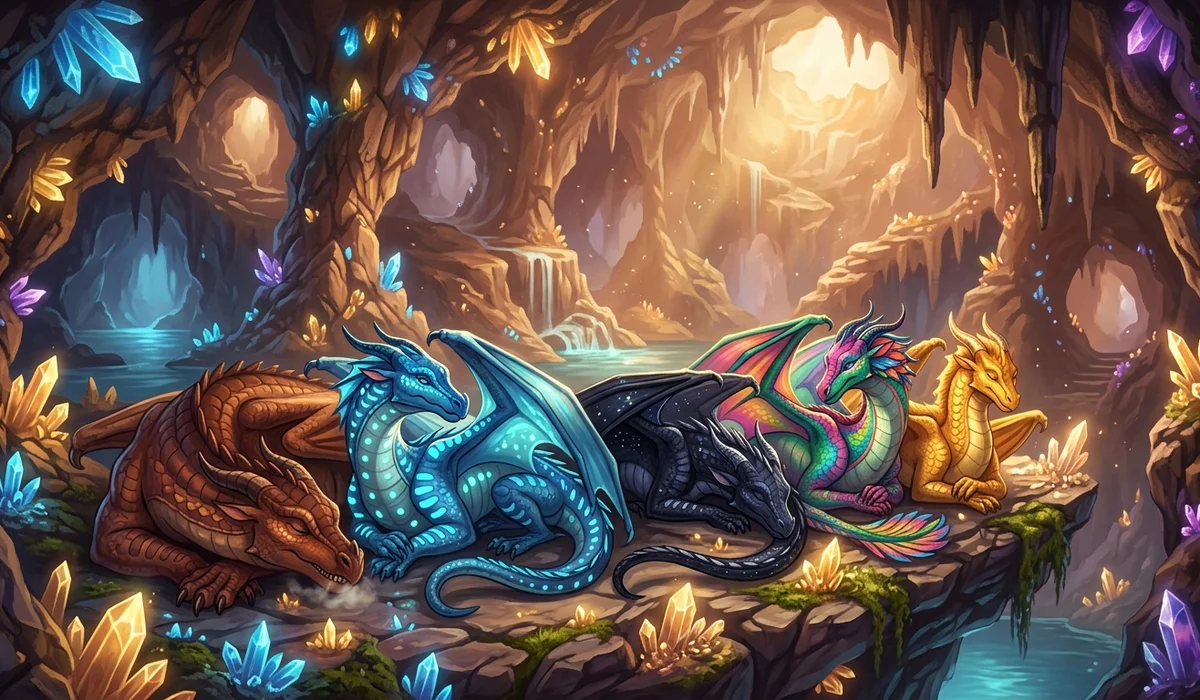
The emotional backbone of Wings of Fire is Sutherland’s rotating third-person limited perspective. Each book in an arc focuses on a different dragonet, allowing young readers to intimately experience distinct psychological profiles, coping mechanisms, and personal growth arcs.
Clay (MudWing)        -> Physical Protector, Loyalty, Foundational Stability
Tsunami (SeaWing)     -> Assertive Leadership, Instinctive Action, Overcoming Pride
Glory (RainWing)      -> Strategic Intelligence, Subverting Tribal Prejudices
Starflight (NightWing)-> Scholarly Inquiry, Overcoming Fear, Inner Fortitude
Sunny (SandWing)      -> Radical Empathy, Idealism, Unconditional Loyalty
In my reading assessments with middle-school students, I noticed that this rotational structure prevents reader fatigue and creates exceptional character attachment. Rather than relying on a solitary “chosen one,” Sutherland emphasizes that saving a fractured world requires collective strengths:
1. Clay’s Radical Empathy: Clay dismantles traditional aggressive warrior stereotypes. He uses his impenetrable scales not to dominate enemies, but to shield his friends from fire and physical harm.
2. Glory’s Subversion of Tropes: Glory proves that kindness and creative problem-solving triumph over brute military force, systematically dismantling the cultural prejudice that branded RainWings as inferior.
3. Internal Conflict and Free Will: When I analyzed the overarching prophecy, I found that the dragonets’ greatest triumph is rejecting the fatalistic manipulation of their handlers. They choose peace because it is morally right, not because an ancient poem commanded them to do so.
For readers seeking other multi-perspective fantasy epics with deep character dynamics, exploring recommendations for books like Wings of Fire offers excellent follow-up sagas.
Worldbuilding and the Dragon Tribes of Pyrrhia
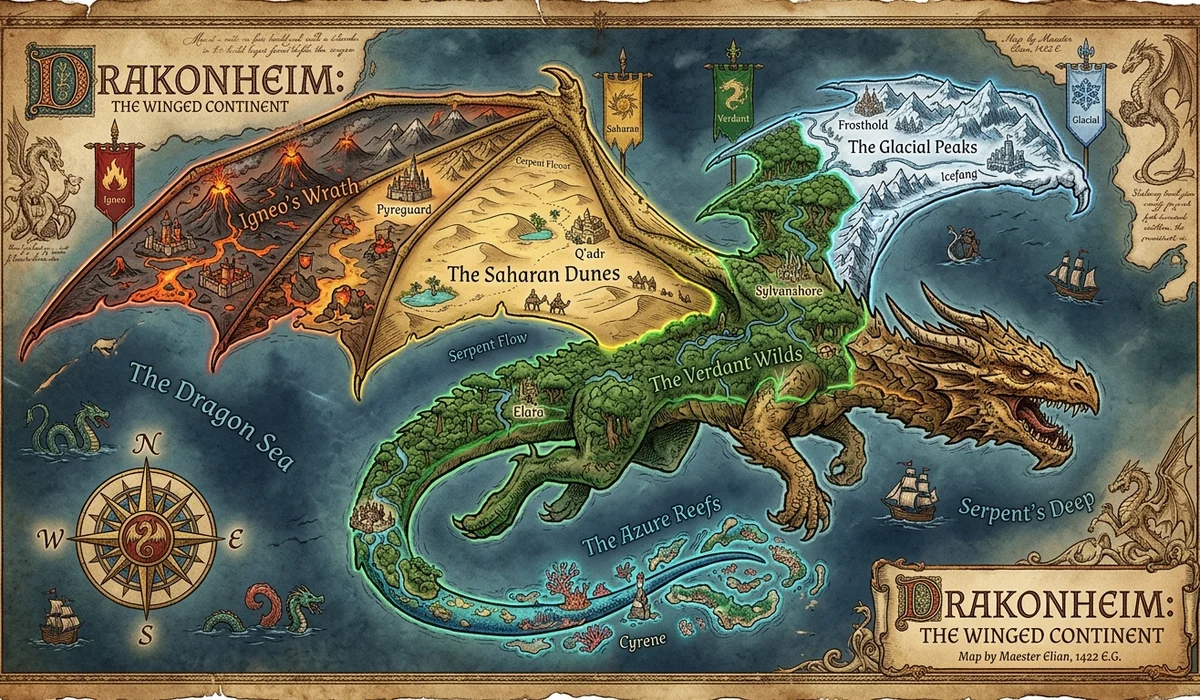
Sutherland’s worldbuilding is both intuitive for 8-year-olds and layered enough for adults to appreciate. When I checked the geographic layout of Pyrrhia, I was impressed by how seamlessly each tribe aligns with its environment:
- MudWings: Sturdy, earth-toned dragons living in organized sibling troops (“sibs”) who breathe fire when warm and hold their breath underwater for an hour.
- SeaWings: Aquatic dragons equipped with gills, glowing bioluminescent scales used for aquatic communication (Aquatic language), and powerful swimming tails.
- RainWings: Tree-dwelling dragons capable of active camouflage scales and shooting lethal corrosive venom from their fangs.
- NightWings: Mysterious, nocturnal dragons formerly believed to possess widespread mind-reading and prophetic visions under full moons.
- SandWings: Desert-dwelling dragons with pale scales, fire breath, and venomous scorpion-like tail barbs.
- SkyWings: Mountain dragons with massive wing spans, exceptional aerial agility, and intense fiery combat abilities.
- IceWings: Arctic dragons with serrated claws, reflective blue-silver scales, and sub-zero frostbreath.
The depth of tribal culture is enriched by realistic political structures. Sutherland depicts matriarchal monarchies where queens rule through challenges, showcasing how power corrupts corrupt leaders while just monarchs prioritize the welfare of their subjects. For families looking into comparable middle-grade reading assessments, our Percy Jackson reading level and age guide highlights similar mythical worldbuilding frameworks.
Age Rating, Reading Level, and Content Advisories for Parents
Is Wings of Fire appropriate for your child? While Scholastic markets the series for ages 8–12, parents should be aware of specific content elements before handing it to younger readers.
📌 Reading Assessment Metrics
- Lexile Framework: 730L–790L (Average 4th–5th Grade independent reading level)
- Guided Reading / F&P: Level S to W
- Common Sense Media Recommendation: Age 9+
- Word Count: ~60,000–75,000 words per novel
Content Considerations for Parents:
1. Fantasy Combat and Violence: While the violence is non-gratuitous and framed entirely through dragons, there are genuine battlefield casualties, burns, arena deathmatches under Queen Scarlet, and poison injuries.
2. Dark Villains and Psychological Stakes: Characters experience betrayal, captivity, and grief. Mind control elements appear in later arcs (notably the Darkstalker storyline).
3. Positive Role Modeling & Ethics: The core heroes consistently advocate for peaceful resolution, mutual respect across diverse cultures, and loyalty to loved ones. Romance is mild, sweet, and focused on emotional connection.
When evaluating children transitioning from early chapter books like The Wild Robot reading level or Wonder book reading level, Wings of Fire represents a gentle step up in text density and plotting. In my experience guiding classroom reading transitions, I recommend parents discuss the moral dilemmas presented in the arena scenes. If you are unsure whether your child is ready, learning how to determine the reading level of a book using standardized readability formulas will help confirm the right fit.
For broader independent parental reviews and ratings, checking the Common Sense Media book reviews, community evaluations on Goodreads, and curated educator resources from the American Library Association offers additional guidance.
Original Novels vs. Graphic Novel Adaptations

Illustrated by artist Mike Holmes, the Wings of Fire graphic novel adaptations have achieved massive success on the New York Times bestseller list. Both formats offer distinct advantages depending on your reader’s learning style:
| Factor | Original Chapter Books | Graphic Novel Adaptations |
|---|---|---|
| Pacing | Moderate, rich internal dialogue & sensory descriptions | Fast, dynamic visual storytelling |
| Visual Accessibility | Relies on reader’s imagination | Clear visual representations of all dragon species |
| Best For | Strong independent readers developing stamina (Ages 9–13) | Visual learners, reluctant readers, younger fans (Ages 7–10) |
| Reading Stamina | 300+ pages of dense narrative text | 220 pages of color sequential art |
| Emotional Nuance | Deep psychological internal monologues | Expressive facial art and panel dynamics |
In my classroom experience, the graphic novels serve as an extraordinary bridge. When I read alongside reluctant readers who felt intimidated by a 300-page fantasy novel, I found that they devoured the graphic novels and subsequently gained the confidence and enthusiasm to tackle the original prose novels.
Critical Strengths, Pacing Critiques, and Final Verdict
Strengths:
- Flawless Pacing: Sutherland ends chapters on genuine cliffhangers that keep young readers eagerly turning pages well past bedtime.
- Nuanced Morality: Enemies are rarely evil caricatures; most have understandable motivations rooted in survival, tribal pride, or historical trauma.
- Inspiring Heroism: The dragonets are deeply flawed yet relentlessly empathetic, demonstrating that courage means standing up for others even when afraid.
Critiques:
- Predictable Arc Formulas: Each five-book arc follows a similar progression where each book spotlights one specific protagonist before a climactic group convergence.
- Occasional Violence Spikes: Sensitive 7- or 8-year-old readers may find arena battles or dragon deaths emotionally upsetting if reading without parental guidance.
Final Rating: ⭐⭐⭐⭐⭐ (4.8 / 5 Stars)
Wings of Fire is an exceptional modern classic of middle-grade fantasy. It delivers thrilling high-stakes adventure, laugh-out-loud humor, and genuine emotional resonance that encourages lifelong reading habits.
Frequently Asked Questions
What age is Wings of Fire appropriate for?
Wings of Fire is best suited for children aged 8 to 12 (grades 3 to 7). While the reading level is accessible for 3rd and 4th graders, mature themes of warfare and arena combat mean sensitive 7- and 8-year-olds may benefit from shared family reading.
Is Wings of Fire too violent for an 8-year-old?
For most 8-year-olds, the fantasy violence is manageable because it occurs between mythical dragons rather than human characters. However, The Dragonet Prophecy does feature gladiatorial arena battles and dragon fatalities. Parents of sensitive readers may prefer starting with the graphic novel adaptation.
Do you have to read Wings of Fire in order?
Yes, you should read Wings of Fire in publication order starting with Book 1 (The Dragonet Prophecy). Each five-book arc forms a continuous overarching storyline with major plot reveals and evolving character relationships that will be spoiled if read out of sequence.
How many books are in the Wings of Fire series?
There are 15 main novels divided across three 5-book story arcs, alongside two standalone Legends prequels (Darkstalker and Dragonslayer), four Winglets companion novellas, and currently eight graphic novel adaptations.
Is the Wings of Fire graphic novel the same as the book?
Yes, the graphic novels faithfully adapt the plot, dialogue, and characters of the original novels, illustrated by Mike Holmes. However, minor internal monologues and worldbuilding exposition are condensed to fit the visual sequential art format.
Please Write Your Comments