Have you ever wondered what makes The Wild Robot such a hit among young readers and teachers alike? This heartwarming story by Peter Brown beautifully blends nature, technology, and emotion — a robot learning to survive in the wild while discovering what it means to be alive.
But before handing it to your child or adding it to your classroom library, you might ask, “What reading level is The Wild Robot?” Understanding the reading level helps you match the book to the right age group and ensures it’s both fun and challenging.
In this guide, we’ll explore the reading level, Lexile score, age range, and why The Wild Robot is a perfect pick for young readers who love adventure and meaningful stories.
What Is The Wild Robot About?
If you haven’t read it yet, The Wild Robot by Peter Brown is a beautiful story about Roz, a robot who wakes up alone on a wild island after a shipwreck. At first, Roz struggles to survive, but slowly, she learns from the animals and becomes part of the natural world around her.
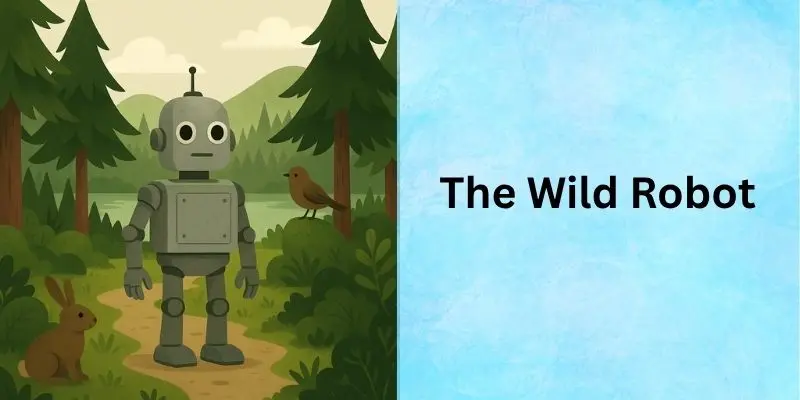
It’s not just a story about a robot — it’s about friendship, kindness, and understanding nature. Kids love how Roz learns to care for a baby goose and how animals accept her as one of their own.
Why kids love it:
- It’s filled with illustrations that make reading fun.
- The language is simple and engaging, perfect for middle-grade readers.
- It blends technology and nature, which sparks curiosity.
The Wild Robot is more than an adventure — it’s a gentle way for children to think about what it means to be alive, kind, and connected to the world around them.
This makes it an ideal choice for elementary school students or young independent readers who are ready to explore slightly deeper themes but still need easy-to-follow sentences.
The Wild Robot Reading Level (Quick Answer)
Let’s get to the main question — what is the reading level of The Wild Robot?

According to popular reading level systems, here’s how it breaks down:
Reading Level Summary
| System | Level | Suitable For |
|---|---|---|
| Lexile Measure | AD740L | Ages 8–12 |
| Grade Level | 3rd to 6th grade | Elementary to early middle school |
| AR Level (Accelerated Reader) | 4.1 | 3rd–5th graders |
| DRA Level | Around 38–40 | Fluent elementary readers |
What These Levels Mean
- The Lexile 740L shows it’s great for readers who are building fluency but ready for mild challenges.
- The AR and DRA scores confirm it fits perfectly in upper elementary grades.
- Short chapters and supportive illustrations make it easier for kids to stay interested.
In short:
If your child is in 3rd, 4th, or 5th grade, The Wild Robot is right at their level.
It’s also an excellent read-aloud choice for parents or teachers working with younger students.
What Age Is The Wild Robot For?
Parents and teachers often ask, “What age is The Wild Robot best for?” The answer depends on how comfortable your child is with reading longer books.

Recommended Age Range
- Ideal for ages 8 to 12
- Best suited for 3rd to 6th graders
- Works well as a read-aloud book for younger children (ages 6–7)
Why It Fits This Age Group
- The language is simple yet expressive, helping kids expand their vocabulary without feeling overwhelmed.
- The story explores themes of friendship, nature, and self-discovery — ideas older kids can connect with.
- Short chapters and illustrations make it less intimidating for readers transitioning from picture books to chapter books.
So, if your child is starting to enjoy independent reading and loves adventure or nature-themed stories, The Wild Robot is a wonderful choice.
It’s the kind of book that grows with your reader — a 3rd grader will enjoy the plot, while a 6th grader will notice the deeper message about empathy and survival.
Is The Wild Robot Good for 3rd Graders?
Absolutely! The Wild Robot is one of the best books for 3rd-grade readers who are ready to take a step into more thoughtful stories.
Reasons It’s Perfect for 3rd Graders
- Easy sentence structure: The language is clear and smooth, making it easier to follow.
- Short chapters: Great for building confidence and helping young readers feel accomplished.
- Illustrations throughout: Pictures support understanding and add visual interest.
- Relatable themes: Friendship, kindness, and learning from mistakes — all lessons that connect well with children at this age.
Reading Tips for Parents and Teachers
- Encourage your child to read aloud or summarize each chapter to improve comprehension.
- Discuss topics like how Roz learns to care for others or how she adapts to her environment — these spark meaningful conversations.
- Pair it with similar reading-level books like Charlotte’s Web or The One and Only Ivan for variety.
For many 3rd graders, The Wild Robot becomes one of the first books that truly inspires a love of reading — it’s easy enough to enjoy and deep enough to remember.
Themes and Vocabulary – Is It Easy to Read?
One of the best things about The Wild Robot is that it’s easy to read but still full of meaning. The book uses simple words and short sentences, so children don’t struggle with understanding. Yet, it introduces big ideas that make readers think deeply.

Vocabulary and Language Style
- The author uses clear, everyday language that’s perfect for young readers.
- Sentences are short and well-spaced, helping new readers stay focused.
- A few nature and science-related words appear, but the context makes them easy to understand.
Common Themes in The Wild Robot
- Survival: Roz learns to adapt to her environment, showing resilience.
- Friendship: The bond between Roz and the animals teaches empathy and kindness.
- Technology vs. Nature: The story gently explores how machines and the natural world can coexist.
- Growth: Roz learns, changes, and becomes more “human” as the story goes on.
Because of its balance between simple language and thoughtful ideas, this book fits perfectly in classrooms and reading programs. It helps improve reading comprehension while keeping young readers emotionally engaged.
If your child has enjoyed other easy chapter books, like Ivy and Bean or Mercy Watson, they’ll find The Wild Robot a fun yet meaningful step forward.
The Wild Robot Series Reading Level
Many young readers finish The Wild Robot and immediately ask for more—and good news, it’s part of a series! Peter Brown has written three books in total:
- The Wild Robot
- The Wild Robot Escapes
- The Wild Robot Protects
Reading Levels Across the Series
| Book Title | Lexile Level | Recommended Grades | Age Range |
|---|---|---|---|
| The Wild Robot | AD740L | 3–6 | 8–12 years |
| The Wild Robot Escapes | AD720L | 3–6 | 8–12 years |
| The Wild Robot Protects | Around AD750L | 4–7 | 9–13 years |
Why Kids Keep Reading the Series
- Each sequel adds new challenges and lessons for Roz.
- The stories grow slightly more complex, matching the reader’s developing skills.
- Older kids appreciate the deeper emotional themes, while younger ones still enjoy the adventure and animal characters.
This gradual increase in reading difficulty makes the Wild Robot series a perfect reading journey—starting easy, then growing with the child’s confidence and curiosity.
Classroom and Home Reading Recommendations
The Wild Robot is a favorite among both teachers and parents because it works well in different learning settings. Whether your child is reading at home or in school, this book offers wonderful opportunities for discussion and skill-building.
In the Classroom
- Perfect for guided reading: The short chapters and predictable structure make it easy to analyze in small groups.
- Encourages critical thinking: Teachers can discuss themes like empathy, survival, and nature.
- Cross-curricular connections: It ties in beautifully with science lessons about animals, ecosystems, and technology.
- Great for reading comprehension activities: Students can summarize chapters, predict what happens next, or describe Roz’s emotions.
At Home
- A fun family read-aloud: The story’s tone and short chapters make it ideal for bedtime reading.
- Builds vocabulary naturally: Parents can pause to explain new words in context.
- Opens deeper conversations: Kids often ask questions about kindness, loneliness, and caring for others after reading it.
If you’re planning to include it in a reading list for grades 3–6, The Wild Robot fits right alongside books like Charlotte’s Web, The One and Only Ivan, and Wonder.
It’s also great for independent reading time because it keeps kids motivated with its mix of adventure, emotion, and illustrations.
Why Kids Connect with The Wild Robot
Children connect with The Wild Robot because it speaks to their hearts. The story feels adventurous and exciting, yet it quietly teaches empathy, courage, and curiosity.
Emotional and Relatable Themes
- Loneliness and friendship: Kids understand Roz’s struggle to belong, just like they do in school or new environments.
- Learning and adapting: Roz learns from her mistakes—an important message for young readers.
- Kindness and community: The animals’ teamwork shows how helping others makes life better for everyone.
Why It Resonates with Young Readers
- The robot’s simple, honest way of thinking matches how children see the world.
- The story balances fun adventure scenes with gentle life lessons.
- The mix of technology and nature feels modern and imaginative.
This emotional balance keeps kids turning pages while giving them something to think about long after finishing the book. That’s what makes The Wild Robot a timeless story that grows with every reader.
Conclusion: Is The Wild Robot the Right Choice for Your Reader?
The Wild Robot is more than just a story about a robot—it’s a journey about kindness, growth, and finding one’s place in the world. Its balanced reading level, engaging plot, and meaningful themes make it perfect for readers aged 8 to 12. The simple language helps young readers build confidence, while the emotional depth keeps older kids interested.
Whether read aloud at home or studied in classrooms, it encourages children to think about empathy, friendship, and nature in new ways. Parents and teachers love it because it sparks conversations, and kids love it because it’s full of adventure and heart.
If your child enjoys stories like Charlotte’s Web or The One and Only Ivan, The Wild Robot will be a wonderful next step. It’s a book that grows with its readers—offering lessons, laughter, and moments that stay long after the last page is turned.
In short, The Wild Robot is an unforgettable reading experience that nurtures both the mind and the heart.
FAQ: The Wild Robot Reading Level and Age Guide
1. What reading level is The Wild Robot?
The Wild Robot has a Lexile level of AD740L, which fits most 3rd to 6th graders. It’s easy to follow but still offers rich ideas and vocabulary.
2. What grade is The Wild Robot best for?
It’s best suited for grades 3 to 6. Younger children can enjoy it as a read-aloud story, while older readers can handle it independently.
3. Can 2nd graders read The Wild Robot?
Yes, if they’re strong readers or reading with an adult. The short chapters and illustrations make it approachable, even for advanced 2nd graders.
4. What is the Lexile level of The Wild Robot?
The book’s Lexile measure is AD740L, meaning it’s ideal for developing readers who enjoy a mix of adventure and emotion.
5. Is The Wild Robot part of a series?
Yes! It’s the first book in Peter Brown’s popular Wild Robot series, followed by The Wild Robot Escapes and The Wild Robot Protects. These continue Roz’s inspiring story with similar reading levels.